This is a best practice guide to follow if the person processing your Ecommerce orders in the Point of Sale is not the same person who picks and packs the stock in your warehouse (or store). If the members of staff picking the items for orders are also processing those orders in the Point of Sale, they can follow this guide instead.
Step 1: Load the Picklist
1) In the Cloud POS Back Office, navigate to Customer Orders > Picklist.

2) Select your store from the dropdown menu. For most users of this article, this will be your primary despatch location.
If you wish, you can set date filters to filter by dates created. Most of the time, you will want to view all current open orders by leaving the Show orders for all dates tickbox ticked.
Click Load Picklist.

Step 2: Filter the Picklist for ‘Fully in Stock' orders
We would recommend starting with orders that are fully in stock. To do this, click the filter button for Fully in Stock, shown here:

This will filter your Picklist grid to only show orders where every item on the order is available for despatch.
You may wish to add additional filters or columns at this stage if you would like to prioritise specific order types. For example, there are filters for Shipping Type (i.e. Standard or Premium) and Line Count, which can be used to focus on Single Line Orders. You can also use the Manage View button in the top right of the grid to add/remove columns from your Picklist, depending on your preferred layout.
You will find further help with filtering and organising your Picklist here.
Once you've decided which orders you're going to process, you can go and gather the items for each order. There are a couple of ways to approach this:
1) You can choose to focus on one order at a time. This is a good idea to start with as you get used to processing orders, but can be inefficient if you're working with a large number of orders.
2) Build a pick containing items for multiple orders. You can then fetch all of the items at once into a cart or basket, then work through processing the orders from that cart full of stock.
One order at a time
Use the Group By dropdown above the grid to choose Order Number.

This will reorganise the grid so that items in the same order are next to each other in the list, with green lines to separate the orders from each other:

You can then skip to Step 3 below.
Building a Pick
Choose the orders that you want to be part of the pick, either by ticking the individual tickboxes in the far left column, or by clicking the Select All Orders button in the top left.

Click on Add Orders to Pick on the floating Action bar near the bottom of the screen:

Click on the Current Pick Batch tab near the top of the screen:

Click on Print Orders on the floating Action bar near the bottom of the screen and choose how you would like the Printout to be organised:


There are lots of options in this menu – the best option for you will depend on how your stockroom/warehouse is organised. When you're happy with your choice, click on Print Orders.
N.B. the “grouped” options are useful for if you have multiple orders for the same item.
Step 3: Process the orders in Cloud POS
1) Recall the first order into the Point of Sale. You can do this quickly from the Picklist, by clicking the blue button in the Order Number column:

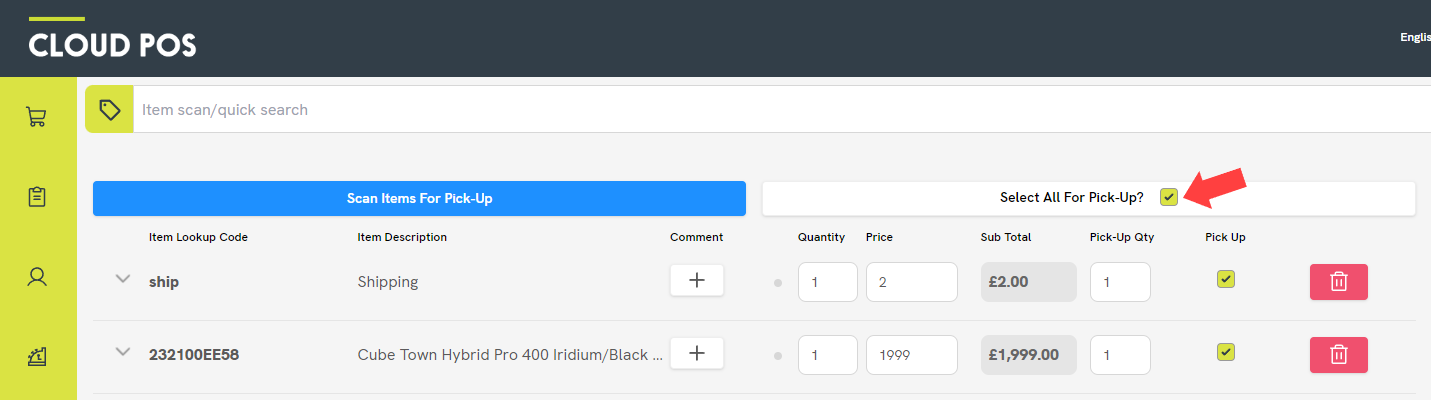
2) You will be taken to the Scan Items for Pickup window. You can use the barcode scanner to scan the items on the order, to check that you've picked up the correct size and/or colour. Correct item lines will turn green, and the Pick-up box will be ticked for that item. Or if you're confident that you have the correct items, you can skip by clicking the cross in the top-right.

3) If you skipped the previous scanning step, use the tick box to Select All For Pick-up?. This is appropriate because you're despatching an order that you already know is fully in stock. You will see each item line's Pick-Up tick box is selected.
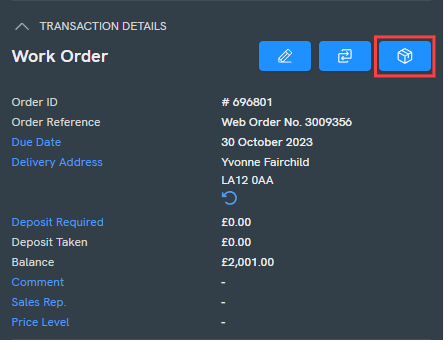
4) Click the Print a courier label button in the transaction summary panel:
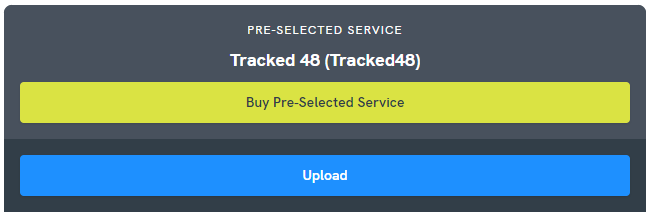
5) If the customer has pre-selected their courier service online, and your Cloud POS group is integrated with that courier, you will be able to choose Buy Pre-Selected Service. If you wish to choose an alternative service option, you will see 'Pre-Selected Service: None'. In this case, click Upload, choose a service from the list and then click Buy Label.
Integrating your couriers with Cloud POS
If you'd like to find out more about integrating your couriers with Cloud POS, so that you can easily generate and print shipping labels for your parcels within the Point of Sale, please speak to your Success Team. You can give them a call or drop an email to success@citruslime.com.
Your label will now print out of your courier label printer. If this does not happen, check that the Courier Label Application is running on your PC. This is explained in more detail here.
6) Return to the Point of Sale screen and click Tender.
7) The tender type will be automatically populated for you, so you can click Continue with Transaction on the right.
8) Select any relevant receipt options, then click Complete Transaction.
9) On the Transaction Summary screen, click the button to Preview Full Size Receipt:
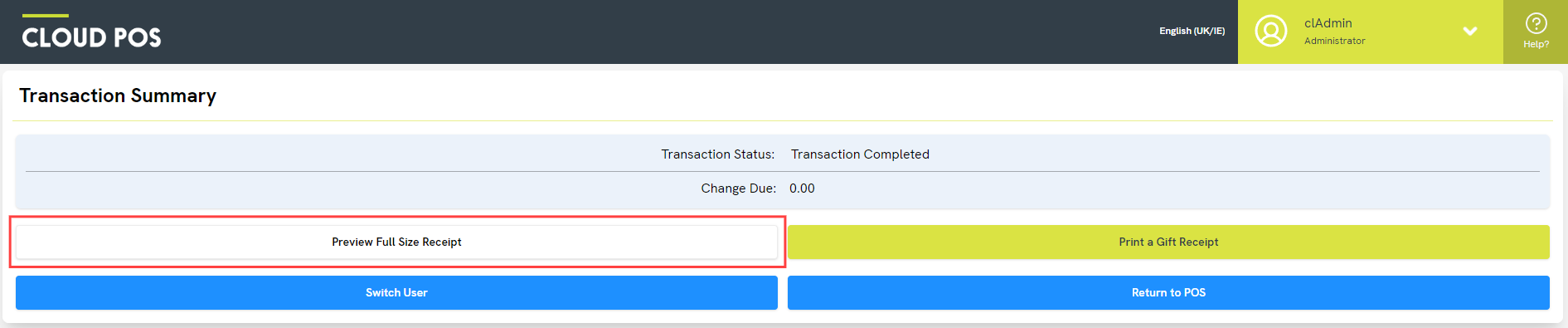
10) This will open in a new tab of your browser window. Print this document, and attach the courier label to it (e.g. with a paperclip). This can then be passed to your warehouse team to pick the items and package the order.
11) Return to your Picklist. Click on Actions at the bottom of the screen, then on Refresh Order Grid. The order that you have just processed will disappear, as it is now closed. You can now recall the next order and repeat the steps above. Keep going like this until you have printed courier labels and Full Size Receipts for all your ‘fully in stock’ orders.
Step 4: Filter the Picklist for 'Partially in Stock' orders
Once all your ‘Fully in Stock’ orders have been processed (which will mean your Picklist grid is now empty), change your stock filter to show the 'Partially in Stock' orders:

You can now repeat steps 1-11 above, with two slight differences:
- When you print the Full Size Receipt, it will only show the items that have been chosen for despatch today.
- Instead of ticking the Select All For Pick-Up box, only select the Pick-Up boxes for the items that you are able to despatch at this time. You will be able to clearly identify these items, because items that you cannot despatch will show a red warning triangle (which can be expanded to view a stock warning):
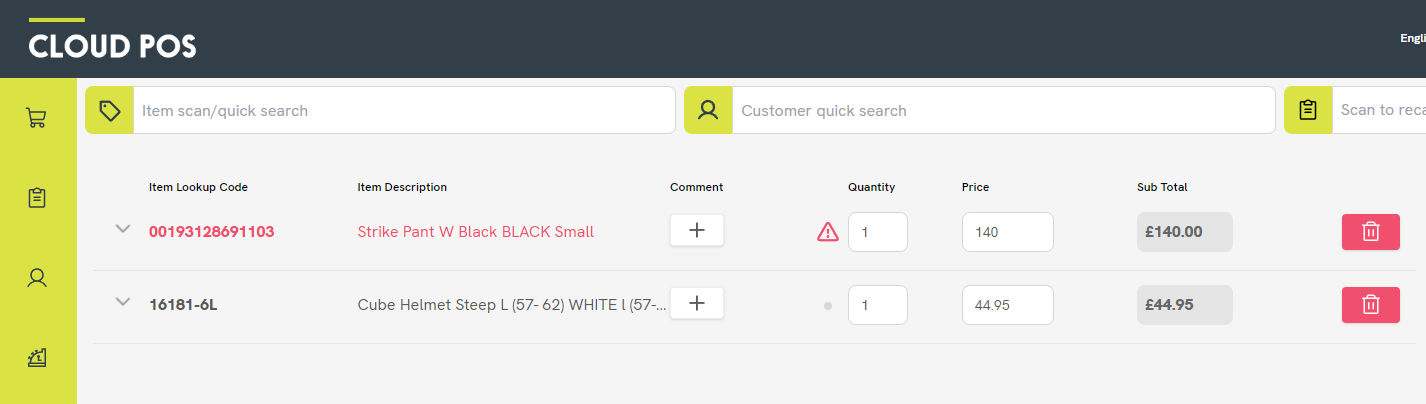
Attach the courier label to the Full Size Receipt, as before, and this will allow your warehouse team to clearly see the items that they can pick and pack today.
Again, each time you return to the Picklist, click Refresh Order Grid. Your processed orders will disappear. Once some more stock is available for those orders, e.g. the following day, they'll appear in either ‘Fully in Stock’ or ‘Partially in Stock’.
Handy Hints
You can change some settings for your register to speed up the process of despatching Ecommerce orders, particularly when using the method detailed above.
To change the register settings, navigate to Setup > Registers & Barcode Label Printers in the Cloud POS Back Office. Click on the name of the relevant register.
If you are following the steps above, we would recommend the following settings:
- Auto Pop Full Size Receipts: checked
- Default to e-Receipts: checked
- Suppress Auto Logout: checked
- Show TaskPad Automatically: not checked
- Make Sales Reps Mandatory: not checked
The other options are not particularly relevant to this process.